Norweco Singulair Green Troubleshooting Tips for Homeowners
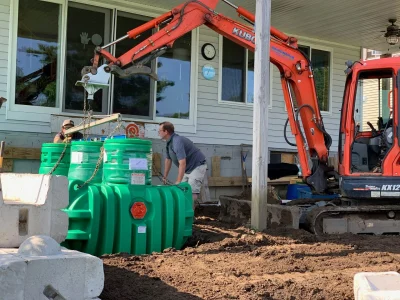

A Norweco Singulair Green system is not something most homeowners think about until it starts behaving differently. When it runs well, it stays in the background. Toilets flush, sinks drain, the yard looks normal, and there is nothing to notice. When it acts up, the clues tend to be subtle at first, then expensive if they are ignored.
That is why troubleshooting matters. A small change in odor, a blinking light, an unusual sound at the tank, or soggy ground near the discharge area can signal anything from a simple maintenance issue to a developing mechanical failure. The good news is that many early problems can be identified without special tools, and some can be corrected before they turn into service calls, pump replacements, or permit headaches.
The tricky part is understanding what kind of system you have. The norweco singulair green is not a basic septic tank. It is an aerobic treatment system, which means it relies on air, moving parts, and biological activity working together. That makes it more effective than a passive tank in many settings, but it also means there are more points where a problem can start. Homeowners who treat it like a conventional septic system often miss the warning signs.
What makes this system different
A standard septic tank mostly settles solids and sends partially treated wastewater onward. A Singulair Green system is more active. It introduces oxygen into the treatment process, which supports aerobic bacteria that break down waste more efficiently. In many installations, that improved treatment quality is exactly why the system was chosen in the first place, especially on smaller lots, sensitive soils, or sites where local regulations require higher treatment standards.
Because the process is active, the system typically includes a control center, aeration components, and internal treatment stages that have to stay balanced. If the air supply stops, if solids are not removed on schedule, or if too much harsh chemistry hits the tank at once, performance can decline quickly. The system may still seem to work from inside the house because the drains are flowing, but treatment quality can already be slipping.
I have seen homeowners assume that if there is no sewage backup, everything is fine. That is not always true with aerobic units. These systems can continue moving water while treatment is compromised. By the time the yard gets wet or the alarm sounds continuously, the issue has often been developing for a while.
Start with what you can observe safely
The best first step is not grabbing a wrench. It is slowing down and noticing patterns. Most useful troubleshooting starts with simple observation. What changed, when did it change, and has anything in the household changed with it?
A control panel alarm after a thunderstorm suggests one path. A persistent musty or sewage odor near the treatment tank suggests another. Water use spikes after hosting guests for a holiday weekend tell their own story. So does a recent load of paint rinse water, drain cleaner, or bleach dumped into the system.
If you are troubleshooting your norweco singulair green, focus first on the conditions around the event. Was there heavy rain? A power outage? Has the house been vacant for weeks? Did a service company recently pump the tank? Was landscaping work done near the tank lids, wiring, or discharge area? Those details matter because they often point to the source faster than any single symptom.
The most common homeowner complaints
Most trouble calls fall into a handful of categories. The wording changes, but the pattern is familiar. A homeowner says the alarm is on. Another notices a smell near the tank that was not there before. Someone else sees standing water in an area that used to stay dry. Sometimes the complaint is simply noise. A humming motor turns into a harsher rattle, or the compressor sounds like it is straining.
Here are the most common signs that deserve attention:
- A visual or audible alarm at the control panel
- Sewage or sulfur-like odors around the tank, vent, or discharge area
- Unusually wet, soft, or green ground near the system
- Slow drains or gurgling fixtures inside the home
- A compressor or aerator that sounds louder, hotter, or irregular
Any one of those signs can have more than one cause. The point is not to diagnose everything from a distance. The point is to separate minor issues from situations that need prompt service.
What an alarm usually means
An alarm panel gets attention fast, and it should. But an alarm does not always mean the system has failed catastrophically. On many units, the alarm is there to tell you that one operating condition is outside normal range. That might be a high water level, a problem with aeration, a pump issue, or an electrical fault. It is a warning to investigate, not a signal to panic.
First, confirm whether the house still has power and whether any breakers have tripped. A surprising number of service calls start with a simple power interruption to the treatment unit. If there was a recent storm, check for a tripped breaker or a GFCI issue if your installer used one as part of the electrical setup. Restore power only if you can do so safely and are confident about the circuit involved.
If power is on and the alarm remains active, reduce water use in the house right away. This is one of the smartest moves a homeowner can make. The system may still process some flow, but until you know whether the problem is aeration, pumping, or liquid level, adding more water just narrows your margin. Postpone laundry, long showers, and dishwasher cycles.
Some panels allow you to silence the audible alarm while keeping the visual indicator on. That is useful for sanity, especially at night, but it is not a fix. If the alarm reactivates after silencing, or if the visual indicator remains on, assume the issue is unresolved.
Odors are information, not just a nuisance
A healthy aerobic system should not produce strong sewage odors around the yard under ordinary conditions. A faint earthy smell at a vent on a humid day can happen, especially with wind shifts, but persistent odors near the tank lids or discharge area are worth taking seriously.
When a homeowner tells me, “It smells septic all of a sudden,” I usually want to know exactly where the odor is strongest. Near the house plumbing vent can point one direction. Near the aeration tank can point another. Near the final discharge area, spray field, or polishing component can point somewhere else entirely.
A strong sewage odor can mean poor aeration, solids buildup, stagnant conditions, or an overload of organic waste that the bacteria are not keeping up with. It can also happen when lids are not sealed properly after service, when risers shift slightly, or when venting is obstructed. If the smell showed up immediately after pumping or maintenance, inspect the obvious first. A gasket out of place or a lid not fully seated is a simpler fix than a process upset inside the tank.
If the odor developed gradually over weeks, especially along with louder equipment or an alarm, suspect a mechanical or biological problem. Aerobic bacteria need oxygen. If the aerator or compressor is weak or offline, treatment quality usually suffers fast enough that odor is one of the first homeowner clues.
When the yard starts telling the story
Wet ground around any wastewater treatment system deserves respect. With the norweco singulair green, soggy areas can result from high water levels in the unit, a downstream disposal problem, hydraulic overload, or drainage issues unrelated to the system but still affecting it.
The distinction matters. I have seen discharge areas blamed on the treatment unit when the real culprit was roof runoff or a broken irrigation line saturating the soil. I have also seen homeowners dismiss an obviously wet area as “just rain” when the surrounding yard had already dried and the damp patch over the system stayed bright green and soft underfoot.
Look for timing and consistency. If wet ground appears only after major storms and then clears, surface water management may be part of the issue. If the area stays persistently damp, especially with odor, you may be dealing with an internal hydraulic problem or an outlet issue. Keep people and pets away from the area until it is checked. Untreated or partially treated wastewater at the surface is both a health concern and a sign the system is not functioning correctly.
Sounds that should and should not worry you
Most homeowners learn the normal sound of their system over time, even if they do not realize it. The compressor or aerator has a steady, familiar hum. That is why a change in sound often catches attention before an alarm does.
A louder buzzing, rattling, clattering, or short-cycling sound can point to worn components, loose mounts, dirty filters, restricted airflow, or impending compressor failure. Heat matters too. If the unit housing feels unusually hot or the motor sounds strained, do not ignore it.
That said, avoid opening electrical components or dismantling treatment equipment unless the manufacturer documentation explicitly describes a homeowner-safe procedure. There is a difference between checking whether leaves are blocking ventilation and pulling apart aeration hardware. One is observation. The other can create a safety risk and may complicate later service.
A practical homeowner check before calling for service
A few checks are reasonable for most homeowners and often make a service call more productive. This is not deep diagnosis. It is basic information gathering.
- Verify power at the breaker and note any recent outage or reset
- Reduce household water use until the issue is understood
- Walk the area and note odors, wet spots, and any unusual sounds
- Check whether tank lids, risers, and access covers appear secure
- Write down when the system was last serviced or pumped
That short record helps a technician more than people realize. “The alarm started after a three-hour outage during heavy rain” is useful. “It has smelled worse for about two weeks and the compressor got louder” is even more useful. Specific timing often narrows the probable cause faster than the symptom itself.
Water use can create problems even when nothing is broken
Not every performance issue comes from a failed part. Sometimes the system is simply being asked to handle more water than it was designed to absorb over a short period. Large gatherings, back-to-back laundry loads, long showers, a running toilet, or a softener stuck in regeneration can push a system hard.
A hidden running toilet is one of the most common examples. It can waste dozens to hundreds of gallons in a day depending on the leak rate, and the aerobic unit sees all of it. From the homeowner’s perspective, the septic system “suddenly started acting up.” In reality, the treatment unit may be receiving constant flow and never getting a chance to recover.
I recommend homeowners think in terms of peaks, not just daily averages. A system might tolerate normal household use very well and still struggle with one overloaded weekend. Spacing out laundry, fixing leaking fixtures quickly, and being cautious after heavy occupancy can prevent a lot of trouble.
Household chemicals can upset the biology
Aerobic treatment relies on living organisms. That means your cleaning habits matter more than many people expect. Moderate, ordinary use of household cleaners is usually not the issue. Sudden, concentrated doses are.
If someone empties a mop bucket full of strong disinfectant, flushes large quantities of bleach, dumps solvent-contaminated water, or sends paint residue into the drains, the bacterial population can be damaged. When that happens, treatment quality drops. Odor often follows. So can foaming, poor clarity, or abnormal tank conditions that a service provider notices later.
This is where real-world judgment matters. Homeowners often hear blanket advice like “never use bleach,” which is not practical. The better advice is not to overload the system with harsh chemicals all at once and not to use drains as a disposal path for anything that is not typical household wastewater. One disinfecting load of laundry is different from dumping half a gallon of concentrated cleaner down a basement sink.
Pumping intervals matter more than people think
Even a well-functioning aerobic system still accumulates solids. Biological treatment does not make solids disappear. If sludge and scum are not removed on schedule, they can interfere with performance, reduce effective treatment volume, and send solids where they do not belong.
The right pumping interval depends on household size, water use, and service findings. That is why fixed internet advice like “every three years, no matter what” is not reliable for every installation. Some homes can go longer under light use. Others need more frequent attention. A house with five people and constant laundry behaves very differently from a seasonal home occupied by two adults.
If you do not know when your system was last pumped, that is not a small detail. It norweco singulair green is one of the first things to clarify. A neglected pumping schedule can mimic mechanical problems because the symptoms overlap: odor, poor treatment, alarms, and hydraulic stress.
Don’t ignore small electrical issues
norweco singulair greenBecause the norweco singulair green is an active treatment system, electrical reliability is central to performance. Intermittent power loss can be especially frustrating because the system may appear to recover, then fail again. Loose breaker connections, aging control components, storm damage, moisture intrusion, and wiring disturbed during yard work can all create sporadic faults.
I have seen cases where a homeowner thought the compressor was failing because the sound kept changing. The real problem was unstable power to the unit. I have also seen systems affected after landscaping crews nicked conduit or shifted a riser enough to create stress on wiring. If your trouble started after excavation, fence work, grading, or root removal near the system, mention that immediately to your service provider.
Weather and seasonal patterns can complicate diagnosis
Heavy rain changes the picture. So do long dry spells, freezing weather, and seasonal occupancy patterns. After prolonged wet weather, groundwater pressure can affect tank levels and soil absorption in some settings. During cold snaps, exposed components or shallow lines can be stressed. In vacation homes, long periods of no use can alter the biological balance enough that the system acts differently when the house suddenly fills up again.
That is why the same symptom does not always mean the same thing year-round. A high-water alarm during a dry, stable month may suggest one set of causes. The same alarm after record rainfall may suggest another. Good troubleshooting is part mechanical, part environmental, and part pattern recognition.
When it is time to stop troubleshooting and call a professional
Homeowners can do a lot by observing, documenting, and avoiding actions that make the problem worse. There is also a clear limit. If sewage is surfacing, if alarms persist after a basic power check, if the compressor appears to be failing, or if the system has a history of deferred maintenance, it is time for a qualified service technician.
That is especially true if your local regulations require licensed inspection or maintenance for aerobic treatment units. Many jurisdictions treat these systems differently than standard septic tanks for a reason. The equipment and process are more specialized, and records often matter.
When you call, give a clean timeline. Say when the symptom started, whether weather or power conditions changed, what sounds or odors you noticed, and whether household water use was unusually high. Technicians do better work when they arrive with context.
What good routine care looks like
The homeowners who have the fewest problems are usually not doing anything dramatic. They are consistent. They know their service interval. They know roughly when the tank was last pumped. They pay attention to changes in sound and odor. They fix leaking fixtures. They do not treat the drain system like a trash can.
Routine care also means keeping the access area visible and reachable. A buried or hidden lid might look nicer in the yard, but it turns every inspection or service call into extra labor. Keep good records, too. A simple folder with service dates, pumping receipts, alarm notes, and model information saves time later.
There is also value in knowing your normal baseline. Walk by the system occasionally. Listen for the usual hum. Notice whether the ground stays firm. That way, if something changes, you will recognize it early instead of realizing three months later that the signs had been there all along.
The quiet advantage of catching problems early
Most expensive wastewater repairs do not begin as expensive problems. They begin as small changes someone hoped would go away. A slightly louder aerator. A faint odor after rain. A control panel light that went off, then came back. A patch of grass that looked greener than the rest.
With a norweco singulair green system, early attention pays off. The system is designed to do real treatment work, and when it is maintained properly, it can perform very well. But it needs the kind of respect any active mechanical system needs. Watch the small signals, keep the maintenance current, and act before the warning turns into damage.
That approach is not complicated, but it is disciplined. For homeowners, that discipline is what keeps a treatment system invisible most of the time, which is exactly what you want.
Excavating New Jersey LLC
406 County Rd 565, Wantage, NJ 07461, United States
+1 973-791-4284
FAQ About norweco singulair green
How much does a NORWECO septic system cost?
The installed cost depends on the selected unit, engineering, site access, excavation, electrical work, disposal-field design and required approvals. A tank-only price is not a complete installation quote. Ask Excavating New Jersey LLC for a site-specific, itemized estimate that also explains ongoing service costs.
How does a Norweco septic system work?
The Singulair Green uses pretreatment, aeration, clarification and filtration to treat domestic wastewater. In the aeration chamber, oxygen supports bacteria that break down organic material. The Bio-Kinetic unit provides further filtration and flow equalization. Final effluent disposal must follow the property's approved design and applicable requirements.
What is the average lifespan of a septic system?
There is no guaranteed lifespan for every system. Design, installation, soil conditions, wastewater loading and regular maintenance all matter, and mechanical parts may need replacement before the tank. For a Singulair Green system, follow the manufacturer's service schedule and have a qualified provider assess its condition and pumping needs.