Why Maintenance Matters for Norweco Singulair Green in Wantage NJ
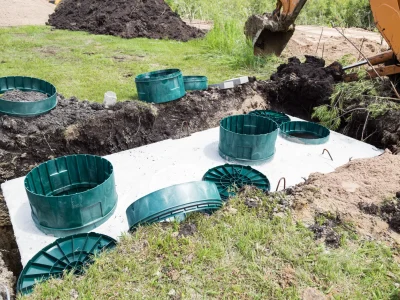
Homeowners usually think about wastewater systems only when something goes wrong. That is understandable. A septic system is buried, quiet, and easy to forget when it is doing its job. But the Norweco Singulair Green is not a conventional passive tank. It is an advanced treatment system with mechanical and biological components that need regular attention. If you own one in Wantage, or you are considering one for a rural property, maintenance is not a side issue. It is part of how the system works.
That matters even more in a place like Wantage, NJ, where properties can sit on challenging soils, where winter freezes are real, and where many homes rely entirely on on-site wastewater treatment. A neglected basic septic tank may limp along for years before showing obvious trouble. A neglected treatment unit tends to announce itself sooner, and often in more expensive ways.
The phrase norweco singulair green Wantage NJ comes up often because homeowners want to know the same thing: does this system really require ongoing service, or is that just part of the sales pitch? The honest answer is that the maintenance is real, and it is justified. A Norweco system can perform very well, but only when it is kept in proper working order.
What makes the Singulair Green different from a standard septic system
A standard septic system relies mostly on gravity and settling. Wastewater enters a septic tank, solids settle, scum rises, and partially treated effluent moves on to a disposal area. It is simple, which is one reason it remains common. It also has limits. On sites with poor percolation, high seasonal water tables, smaller lots, or stricter environmental requirements, a simple tank-and-field setup is not always enough.
The Norweco Singulair Green is designed as an aerobic treatment system. Instead of depending only on passive settling, it introduces air and controlled treatment stages to break down waste more completely before discharge to the next component of the system. That extra treatment can be a major advantage on sites where higher effluent quality matters. It can also make the system more sensitive to neglect.
That sensitivity is not a flaw. It is the trade-off for better treatment performance. The same way a furnace with more controls needs periodic service, an aerobic wastewater system needs inspection, cleaning, and adjustments. If you skip those basics, you are not just delaying a chore. You are interfering with the treatment process itself.
Why regular service matters more in Wantage than many owners expect
Wantage is not an abstract service territory on a map. It is a real environment with conditions that put stress on outdoor mechanical systems. Rural properties often have long utility runs, older electrical connections, sloped lots, and landscaping that changes drainage patterns over time. Winters can be hard on lids, risers, and shallow components. Wet periods can expose drainage weaknesses. Summer occupancy swings can alter wastewater loading if a house fills up with guests or, on the other hand, sits quiet for stretches.
Aerobic systems do not like extremes. Very low use can affect the biological balance in the treatment unit. Heavy surges from parties, laundry marathons, or multiple consecutive showers can reduce treatment efficiency if the system is already overdue for service. Add a power interruption, a clogged filter, or an air delivery issue, and performance can slide quickly.
This is one reason experienced service providers talk less about emergency repair and more about routine observation. They know most serious failures begin as small maintenance misses. A blocked air path, a worn component, a neglected sludge level, or an alarm that somebody silenced instead of investigating can turn into a far larger problem six months later.
The quiet role of biology
A lot of homeowners focus on the mechanical side of the system because that part feels tangible. There is a motor, an alarm, perhaps an access lid and control components. But the biology inside the tank is just as important. The Singulair Green depends on a healthy microbial process to treat wastewater. Those microbes need oxygen, stable conditions, and a reasonable wastewater stream.
Poor maintenance affects biology in several ways. If aeration drops, treatment quality drops. If solids build up too far, the treatment chamber loses effective working volume. If household chemicals are dumped recklessly into the system, the microbial population can be damaged. If grease loads are high, scum and clogging issues become more likely. The result may not show up overnight, but it does show up.
I have seen owners assume that because the water still appears to be moving, everything must be fine. That is a risky assumption. Wastewater treatment is not only about movement. It is about treatment quality, solids control, oxygen transfer, and downstream protection. A system can continue to flow while treating poorly. By the time odors, backups, or soggy ground appear, the problem has often been developing for a while.
What maintenance actually includes
Some homeowners hear the word maintenance and picture a quick glance under the lid. Proper service is more involved than that. A real inspection checks the treatment process, the mechanical operation, and the condition of components that affect long-term performance.
A thorough visit often includes the following:
- Checking the aeration and electrical operation, including alarms or control components.
- Inspecting sludge and scum levels to judge whether pumping is needed.
- Cleaning or servicing any filters, passages, or components that can clog.
- Looking for signs of infiltration, structural wear, or abnormal wastewater levels.
- Confirming that the system is discharging and treating as intended, not merely moving water.
That list may sound straightforward, but the judgment behind it matters. Two systems can look similar from the outside and need very different recommendations inside. One may only need routine service. Another may be showing early signs of hydraulic overload or solids carryover. The value is not just in touching parts. It is in recognizing what those conditions mean.
Pumping is not the same as maintenance
This is one of the most common misconceptions in the field. A homeowner arranges a pump-out and assumes the system has been fully maintained. Pumping is important, but it is only one piece of the puzzle.
A pump-out removes accumulated solids when levels warrant it. That protects the system from solids escaping into areas where they do not belong. But pumping alone does not evaluate air delivery, alarms, liquid levels, mechanical operation, or treatment performance trends. In some cases, a freshly pumped system can still have a failed component or a control issue that needs prompt attention.
Think of it this way. Pumping addresses stored waste. Maintenance addresses system health. You need both, and the timing of each may not be the same.
The cost question homeowners always ask
The resistance to maintenance usually comes down to cost. Nobody likes recurring service bills, especially for equipment they rarely see. But skipping service on an advanced wastewater system is often a false economy.
A routine service visit is predictable. Emergency repairs are not. Replacing neglected components is more expensive than adjusting or cleaning them early. Restoring a system after prolonged poor performance can involve pumping, part replacement, troubleshooting, field evaluation, and in some cases regulatory involvement if discharge quality or surfacing effluent becomes an issue.
There is also the property value angle. Buyers, lenders, and inspectors tend to pay closer attention to specialized treatment systems than to ordinary septic tanks. A documented maintenance history is reassuring. A system with unclear service records and ignored alarms is not. If a homeowner in Wantage expects to sell in the future, keeping the Norweco Singulair Green in serviceable condition is not just an operating decision. It is a real estate decision.
Seasonal conditions in Wantage can hide or amplify problems
Cold weather tends to disguise odor issues because people spend less time outdoors and microbial activity can change with temperature. Then spring arrives, the ground softens, snowmelt and rain alter drainage patterns, and weak spots become visible. A low area in the yard may stay wet longer. An access point may show settlement. Odors may become noticeable on damp days. By that stage, the issue may not have started in spring at all. Winter simply kept it out of sight.
The opposite can happen in dry weather. A system under stress may seem fine because the disposal area has room to absorb what is sent to it. Then a rainy stretch raises soil moisture and removes that margin. That is when neglected systems often reveal themselves.
This is another reason scheduled service matters. It breaks the habit of judging system health by surface appearances. A well-maintained unit is evaluated by operating condition, not by whether the lawn looks normal on one particular weekend.
Warning signs that should not wait
Some owners are disciplined about preventive care. Others wait for clues. While waiting is not ideal, there are a few signals that should never be ignored because they often point to a real malfunction rather than a minor nuisance.
Watch for these signs:
- Persistent sewage odors near the treatment unit, yard, or discharge area.
- Unusual alarms, blinking indicators, or a control box that has been silenced without diagnosis.
- Slow drains or backups that appear across more than one fixture.
- Wet, unusually green, or soft ground near system components in the absence of irrigation.
- Gurgling plumbing combined with recent heavy water use or power issues.
Any one norweco singulair green Wantage NJ Excavating New Jersey LLC of these can have multiple causes, so they are not a diagnosis by themselves. What they do tell you is that the system deserves timely professional evaluation. Waiting almost never improves the situation.
Household habits can either support or sabotage the system
Maintenance is not only a service-company issue. Daily habits inside the home make a visible difference over time. Advanced treatment systems are more forgiving than some people think, but less forgiving than many homeowners assume.
Grease is a steady troublemaker. It cools, thickens, and contributes to scum accumulation. “Flushable” wipes remain a problem despite the label. Harsh disinfectants used occasionally are usually less concerning than repeated dumping of strong chemicals, paint residues, or large quantities of antibacterial products. Water use patterns matter too. Five loads of laundry back to back create a very different stress than the same five loads spread over two days.
One homeowner I spoke with years ago insisted his system was failing because “these units are too complicated.” After a little digging, the story changed. The house had frequent large gatherings, the hot tub had been drained into the household plumbing more than once, and every cleaning product in the utility room seemed to find its way to the drain. The hardware was not the whole problem. The usage pattern was.
That is not unusual. A wastewater system is a partnership between design, maintenance, and household behavior. If one of those legs is weak, the others have to work much harder.
Service contracts are often worth more than they seem
Some homeowners hesitate to sign recurring service agreements because they prefer to “call when needed.” That approach sounds practical, but in reality it often leads to late calls, missed inspection windows, and incomplete records. With a treatment unit like the Singulair Green, consistency has real value.
A solid maintenance relationship does more than schedule visits. It creates familiarity with the specific system on the property. A technician who has seen the same unit over several years can spot gradual changes that a first-time visitor might not catch right away. Small trends matter in wastewater treatment. Increasing solids accumulation, changing sound or vibration, recurring alarm patterns, or slightly abnormal liquid levels can tell a story long before there is an emergency.
That continuity is especially useful in communities like Wantage, where many properties are not cookie-cutter lots. Terrain, water use, additions to the house, and old site modifications can all affect system behavior. A service history helps separate one-time anomalies from meaningful patterns.
What homeowners should ask during a maintenance visit
A good service appointment should leave the owner better informed, not just billed. If you have a Norweco Singulair Green in Wantage NJ, ask simple, direct questions. Is the aeration functioning normally? Are solids levels acceptable? Is pumping likely soon, or not yet? Are there any signs of hydraulic stress, infiltration, or component wear? Has anything changed since the last visit?
The quality of the answers matters. Vague reassurance is not enough. You want observations tied to actual condition. If a part is nearing the end of its useful life, it is better to hear that in advance than during an emergency call. If household habits are contributing to stress on the system, you should be told plainly.
Owners do not need to become wastewater specialists, but they should understand the basics of what is being maintained and why. The more informed the homeowner, the fewer avoidable service problems tend to occur.
Maintenance protects more than the tank
When people think about system damage, they usually picture backups in the house. That is the most dramatic outcome, but not the only one. Poor maintenance can affect the downstream disposal area, nearby soil conditions, and the longevity of the entire installation.
Once solids or poorly treated effluent reach places they should not, recovery becomes harder and costlier. Disposal areas can clog or lose performance. Odor complaints can become persistent. Surface wetness can limit yard use and create a health concern. What might have been fixed by regular inspections and timely pumping turns into a larger property problem.
That broader view is why professional maintenance matters. It is not just about preserving one treatment unit. It is about protecting the performance chain from the house to the final disposal point.
A practical way to think about system ownership
Owning a Norweco Singulair Green is a bit like owning specialized heating equipment. It offers advantages, especially where site conditions demand better treatment, but those advantages come with responsibilities. If you expect the system to perform like a passive concrete tank with no attention for years at a time, you will probably be disappointed. If you treat maintenance as part of ownership, the system has a much better chance of delivering the performance it was designed to provide.
For homeowners in Wantage, that means taking the local context seriously. Rural infrastructure, changing weather, and the realities of on-site wastewater treatment all point the same direction. Preventive service is cheaper, calmer, and more effective than reactive repair.
The phrase norweco singulair green Wantage NJ may start as a search term, but behind it is a practical homeowner concern: how do I keep this system dependable? The answer is not glamorous. Inspect it on schedule. Service it properly. Pump it when needed. Pay attention to alarms, odors, and drainage changes. Use the plumbing in a way that supports treatment instead of undermining it.
That steady, unremarkable discipline is what keeps an advanced wastewater system from turning into an expensive surprise.
Excavating New Jersey LLC
406 County Rd 565
Wantage, NJ 07461, United States
Phone: +1 (973) 791-4284
FAQ About norweco singulair green Wantage NJ
How does a Norweco septic system work?
Singulair Green uses aerobic biological treatment in a polyethylene tank, followed by settling and filtration. The treatment unit is one part of a complete wastewater system; the site design also determines how treated effluent is dispersed.
How much does a Norweco septic system cost in NJ?
A useful estimate requires a property evaluation. Excavation access, soil conditions, engineering, electrical work, the disposal field, and restoration can affect the total. Ask Excavating New Jersey LLC for a written scope that distinguishes installation costs from ongoing service costs.
Are Norweco septic systems good?
Singulair Green is an established aerobic treatment option, but suitability depends on the property and proposed design. Compare the model's documented performance, maintenance needs, and total project scope with alternatives before deciding.